

The world wide power landscape is moving quickly, having an increasing focus on sustainable and alternative resources. Among these solutions, wood briquette, commonly known as wood briquette price (puitbrikett hind), has surfaced as a highly effective and eco-friendly gas solution. By compressing wood spend in to small briquettes, industries and house holds equally may take advantage of a cleaner, more trusted heat source. Knowledge the factors driving that spike in demand helps stakeholders produce informed decisions in energy preparing and resource management.
Why Is wood Briquette Getting Acceptance?
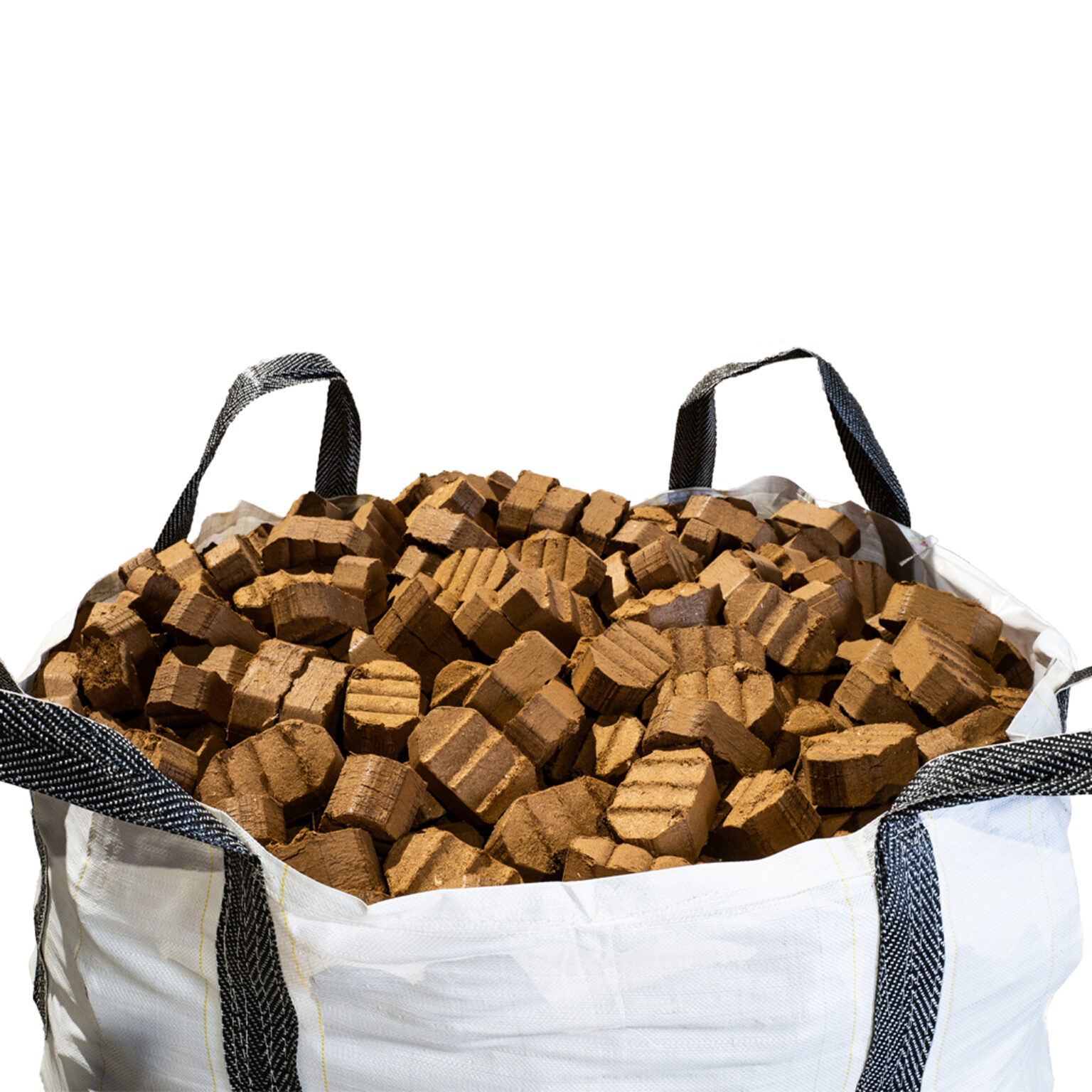
A few essential facets donate to the rising usage of wood briquette. Largely, environmental issues are operating both people and companies toward green fuel options. Unlike standard fossil fuels, wood briquettes produce decrease carbon emissions and subscribe to paid off air pollution. Also, the standard measurement and occurrence of briquettes cause them to become simpler to keep, transport, and burn off efficiently, which will be specially important for commercial heating applications.
Which Industries Are Operating Need?
Research shows that numerous groups are adopting wood briquette for functional efficiency. Production facilities that need consistent temperature sources, such as for instance ceramics, brick generation, and metal processing, discover briquettes highly cost-effective. In addition, the residential heating industry has seen regular development, particularly in parts with cool climates wherever biomass heating solutions are chosen over old-fashioned fuels.
What Do the Data State?
Recent studies indicate that global wood briquette usage has improved by around 12% annually in the last five years. Europe remains a significant market, accounting for almost 40% of complete creation, accompanied by North America and elements of Asia. The availability of wood waste, in conjunction with government incentives for green energy, has strengthened industry growth. Economists anticipate that tendency can keep on, with expected growth prices exceeding 10% annually through the following decade.
Are There Local Variations in Usage?
Yes, usage patterns differ predicated on energy infrastructure and climate. Upper and Main Europe lead in residential use as a result of cool winters and a higher emphasis on sustainability. Asia, especially nations with ample forestry sources, stresses more on industrial applications. These regional modifications spotlight how local plan, resource availability, and market needs effect international wood briquette consumption.

What Are the Key Advantages?
Eco-Friendly: Paid off greenhouse gas emissions compared to coal and oil.
Successful Energy Production: High calorific value guarantees longer and consistent burning.
Cost-Effective: Employs wood spend, reducing organic product costs.
Easy Handling: Standard form and measurement simplify transportation and storage.
Conclusion
The worldwide demand for wood briquette is just a apparent indicator of the shift toward sustainable energy. With powerful development across commercial and residential industries, combined with environmental and economic benefits, wood briquettes will likely stay a vital person in the renewable power market. Monitoring these traits and knowledge consumption designs will be critical for businesses, policymakers, and customers seeking to embrace solution, more sustainable gas alternatives.